FERHAT YAZGILI
Global Expert in AI-Enabled Cybersecurity Governance & Quantitative Risk Management
Driving the intersection of cybersecurity, governance, and AI-enabled risk management with nearly two decades of experience
Helping the leaders on their data driven decisions
I specialize in leveraging AI-driven automation and quantitative modeling techniques, such as FAIR and Monte Carlo simulations, to translate complex cyber and operational risks into data-backed insights that guide enterprise strategy. My focus is on enabling secure digital transformation and measurable resilience. If you are interested in exploring these ideas in more depth, you can connect with me on LinkedIn through the button below or reach out via the AI chatbot anytime.

Cybersecurity Risk Quantification (CRQ) is essential for data-driven investments, providing IT and security leaders with quantifiable evidence for strategic decision-making. CRQ measures financial loss exposure using quantified probabilities and losses, moving beyond traditional qualitative methods like ordinal scales, which are criticized for introducing error and lacking the numbers necessary for engineering and inference. The Monte Carlo simulation is an indispensable quantitative method because it mathematically simulates complex risk scenarios and deals directly with uncertainty by estimating a range of possible outcomes through repeated trials. By using this method, companies can determine the Return on Control (the measurable reduction in expected losses versus mitigation cost) to prioritize and optimize security investments effectively.
The importance of leveraging expert advice in building a proper cybersecurity risk management program cannot be overstated, particularly given the inherent complexity and specialized nature of measuring and managing cyber risk. Organizations frequently struggle to manage risks because of a shortage of cybersecurity professionals, necessitating external or specialized internal expertise. Cybersecurity is part engineering and part inference, and both depend heavily on measurement. Expert guidance is critical for leaders, who must determine a quantifiable “return on risk mitigation” to evaluate whether a defense strategy is the best use of limited resources.
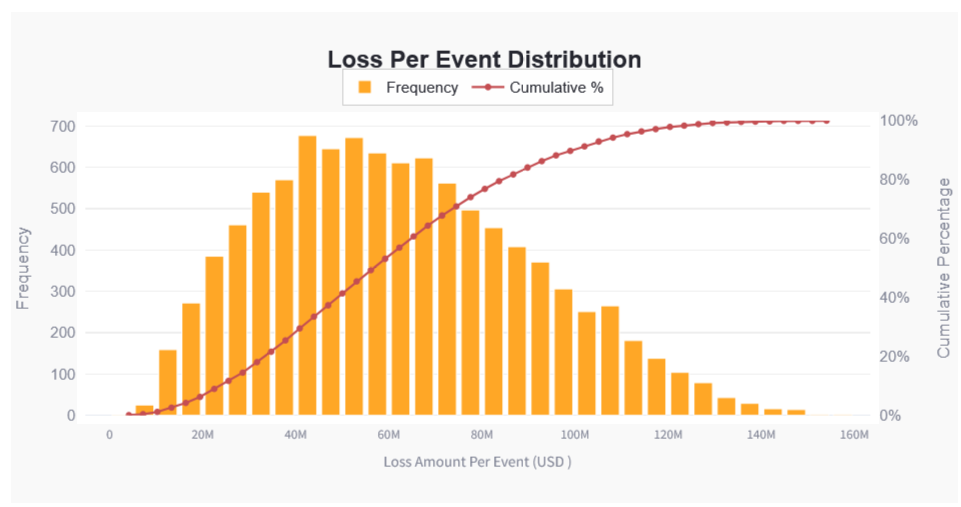
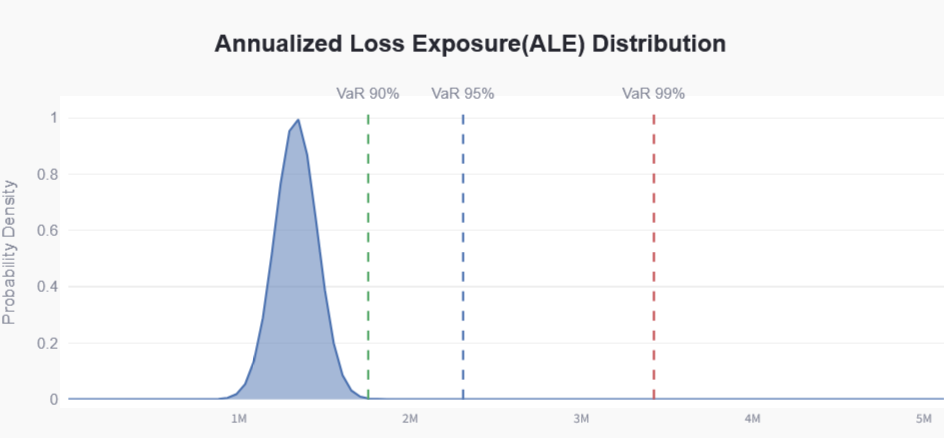
Relying on expert advice helps organizations move beyond flawed, traditional methods toward more rigorous, quantitative practices that measurably improve risk management. In an immature risk environment, a GRC professional or expert can provide support by defining an IT risk register, helping establish processes for continuous monitoring, and ensuring that no IT risks are overlooked across functions. Communicating and visualizing risks and mitigation investments in relationship to tolerance, ensures that strategic choices are well-informed.